
Second Trimester Guide: What Changes and What to Expect
The second trimester is often when pregnancy starts to feel real. The bump arrives, energy returns for most women, and the body begins changing in ways that are visible to the world. Here's what to expect across weeks 13 to 27.

The second trimester runs from week 13 through to the end of week 27. For many women it represents a shift — the relentless nausea and exhaustion of the first trimester eases, energy returns to something resembling normal, and the bump begins to show in a way that makes the pregnancy feel real to the people around you.
The second trimester is often called the honeymoon phase of pregnancy, which is accurate for a lot of women and misleading for some. If your first trimester was difficult, the improvement is often significant and welcome. If you're one of the women whose nausea persists beyond twelve weeks, or who develops new discomforts early in the second trimester, the reputation doesn't quite match the experience.
What the second trimester consistently delivers is change. Physical change, visible change, and a shift in how you think about the pregnancy and what's coming. Here's what to expect.
What's happening physically in weeks 13 to 27
Your bump becomes visible
For first-time mothers, the bump typically becomes noticeable to others somewhere between 16 and 20 weeks, though this varies significantly depending on your body type, how you're carrying, and whether you've been pregnant before. Women who have had previous pregnancies often show earlier.
The bump growing outward changes your centre of gravity, which in turn changes your posture. Your lower back begins to curve more deeply to compensate for the weight at the front, and your pelvis tilts forward. This postural shift is the origin of most of the back and hip discomfort that develops across the second and third trimesters.
Fetal movement
Feeling your baby move for the first time is one of the most significant moments of pregnancy. For first-time mothers, this typically happens between 18 and 22 weeks. For women who have been pregnant before, it's often earlier, around 16 to 18 weeks, because they recognise the sensation sooner.
The early movements are often described as flutters, bubbles, or a gentle tapping sensation. Over the following weeks they become more distinct and eventually unmistakable. By the end of the second trimester, many women can identify specific movements and begin to notice patterns in when their baby is most active.
There is no defined number of movements that is normal in the second trimester. What matters is your awareness of your baby's individual pattern and whether it changes. If you notice a significant reduction in movement at any point, contact your midwife promptly. The Safer Baby Bundle at stillbirthcre.org.au has clear guidance on monitoring fetal movement.
Round ligament pain
The round ligaments support the uterus and stretch considerably as it grows through the second trimester. This stretching produces a sharp, quick pain, usually on one or both sides of the lower abdomen, often triggered by sudden movement, coughing, sneezing, or rolling over in bed. It is among the most common second trimester complaints and is completely normal.
Round ligament pain typically lasts only a few seconds and resolves on its own. Slowing down sudden movements, supporting your bump when you stand or change position, and avoiding positions that pull on the ligament helps manage it. If abdominal pain is persistent rather than brief, or is accompanied by other symptoms, contact your midwife.
Back and hip discomfort
As the bump grows and the hormone relaxin continues to loosen your pelvic ligaments, back and hip discomfort becomes increasingly common from around 20 weeks onwards. The combination of changed posture, loosened joints, and the physical weight of the growing pregnancy puts sustained demand on the muscles of the lower back and hips.
Gentle stretching targeting the hip flexors and lower back done consistently is one of the most effective tools for managing this. Our guide to [pregnancy stretches for back and hip pain] covers a complete ten-minute routine designed specifically for this stage.
Skin changes
A range of skin changes are normal in the second trimester. The linea nigra, a dark vertical line running from the navel to the pubic area, appears in many women and is caused by increased melanin production. Melasma, sometimes called the mask of pregnancy, produces patches of darker pigmentation on the face and is also hormone-driven. Both typically fade after birth.
Stretch marks may begin to appear as the skin stretches to accommodate the growing bump. They are extremely common and entirely normal. Keeping skin moisturised reduces itching but does not prevent stretch marks from forming, despite what many products claim.
Dental and gum changes
Pregnancy hormones increase blood flow to the gums and can cause them to become swollen, tender, and more prone to bleeding, a condition called pregnancy gingivitis. Regular dental care and gentle brushing and flossing manage this effectively. It is safe to visit the dentist during pregnancy and the second trimester is considered the ideal time for routine dental work if needed.
Leg cramps
Leg cramps, particularly at night, are a common second and third trimester complaint. The exact cause is not fully understood but is thought to be related to changes in circulation, magnesium levels, and the increased weight your legs are carrying. Calf stretches before bed, staying well hydrated, and magnesium supplementation if recommended by your midwife or GP can all help. If a calf cramp is accompanied by persistent swelling, redness, or warmth, contact your GP to rule out deep vein thrombosis.
Your anatomy scan
The most significant appointment of the second trimester is the morphology scan, also called the anatomy scan or mid-pregnancy ultrasound. This is typically offered between 18 and 20 weeks.
The anatomy scan is a detailed ultrasound that checks your baby's physical development across more than 20 structural measurements including the brain, heart, spine, kidneys, limbs, and facial features. It checks the position of the placenta and the volume of amniotic fluid. It can also, if you choose to know, reveal your baby's sex.
The anatomy scan is not a diagnostic test — it is a screening scan that checks for structural abnormalities and gives your care team important information about your baby's development. Most scans return entirely normal results. If something requires further assessment, your care team will explain what's been found and what the next steps are. Try not to spend the days beforehand catastrophising — the overwhelming majority of anatomy scans are unremarkable.
Sleep changes in the second trimester
Sleep in the second trimester is a transition period. For most women it is significantly better than the first trimester, where nausea and exhaustion dominate. But from around 18 to 20 weeks, the emerging bump begins to make sleep positions that were comfortable before increasingly difficult.
This is when side sleeping becomes the recommended position and also when it begins to feel uncomfortable without support. Your bump needs lift from below to reduce the downward pull on your lower back. Your top knee needs something to rest on to keep your hips stacked rather than dropping forward. And the guidance from NSW Health to begin settling to sleep on your side from 28 weeks means this is the time to start adapting before it becomes urgent.
Getting your sleep position setup right in the second trimester — rather than waiting until the third when everything is more uncomfortable and sleep deprivation is already building — makes the adjustment considerably easier. The [Bumpnest Maternity Pillow] provides targeted support across all three zones without the bed footprint of a full-body pillow, which matters if you share a bed.
Your antenatal appointments in the second trimester
Antenatal appointments are typically scheduled every four weeks during the second trimester for uncomplicated pregnancies, increasing in frequency toward the end of the third trimester.
Each appointment covers blood pressure, urine testing, and from around 20 weeks, fundal height measurement — the distance from your pubic bone to the top of the uterus — which tracks your baby's growth. Your baby's heartbeat is checked at each appointment.
Between 24 and 28 weeks, most women are offered a glucose challenge test or glucose tolerance test to screen for gestational diabetes. This involves drinking a glucose solution and having a blood test taken at intervals afterward. Gestational diabetes affects around 12 to 14 percent of Australian pregnancies and is very manageable with dietary changes and, where needed, medication.
From 28 weeks, your care team will discuss the recommendations around fetal movement monitoring and side sleeping, including the NSW Health guidance on settling to sleep on your side to reduce the risk of late stillbirth.
Emotional and practical changes
Telling people
Most women share their pregnancy more broadly after the first trimester screening results and the anatomy scan. There is no obligation to tell people at any particular time, but many women find that having the pregnancy become known takes some of the mental load of managing the secret away.
Work disclosure is worth thinking about practically. You're not legally required to tell your employer until a certain point, but if you have workplace health and safety concerns, want to access flexible arrangements, or are planning maternity leave, earlier disclosure gives you more lead time to navigate those conversations.
Preparing practically
The second trimester is the most practical time to begin preparing for the birth and the postpartum period. You have enough energy to make decisions and do research, your pregnancy is established, and you have time before the demands of the third trimester arrive.
This is the time to research your antenatal education options and book a class. In Australia, public hospitals typically offer free antenatal education programs and private options including hypnobirthing and independent childbirth education classes are widely available. Booking early is important as popular classes fill quickly.
If you haven't already, this is also the time to begin thinking about your preferences around birth, your postpartum support plan, and the practical logistics of those first weeks at home.
Frequently asked questions
 Wellness
Pregnancy Pillow for Hip Pain: A Buyer's Guide
Waking up every hour with hip pain is one of the most disruptive pregnancy sleep experiences. The...
Read article →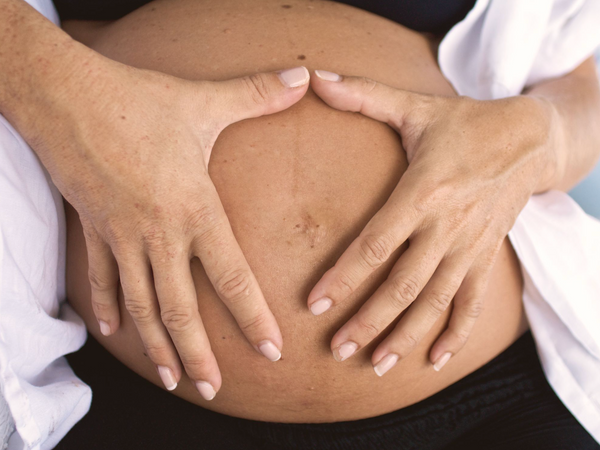 Wellness
Pregnancy Skin Changes: What to Expect and What's Normal
The linea nigra, melasma, stretch marks, acne, and itching — pregnancy skin changes are almost un...
Read article → Wellness
Pregnancy Pillow for Back Pain: What Actually Works
Pregnancy back pain at night is one of the most common sleep disruptors from the second trimester...
Read article →