
Pregnancy Cramps? Here’s What’s Normal, and How to Feel More Comfortable
Abdominal twinges, round ligament pain, Braxton Hicks — pregnancy comes with a lot of unexpected sensations. Here's how to tell what's normal and what warrants a call to your midwife.

Abdominal twinges and cramping during pregnancy can feel alarming, particularly if it's your first time experiencing them. The instinct to worry is understandable — your bump is precious, and anything unexpected in that area gets your attention fast.
The reality is that most cramping during pregnancy is completely normal and has nothing to do with anything going wrong. Your uterus is expanding, your ligaments are stretching, your digestion is slowing down, and your body is doing a significant amount of work that you can feel. Understanding what's behind each type of discomfort makes it a lot easier to distinguish routine from something worth having checked.
Common causes of abdominal discomfort during pregnancy
Round ligament pain
Round ligament pain is one of the most common complaints in the second trimester. As your uterus grows, the ligaments supporting it stretch and lengthen to accommodate the change. This can cause a quick, sharp pain — usually on one side of your lower abdomen — particularly when you move suddenly, roll over in bed, cough, or sneeze.
It typically passes within seconds and isn't dangerous, but it can be startling. Slowing down sudden movements, supporting your bump when you stand or turn, and avoiding positions that stretch the ligament further usually helps.
Gas and bloating
Pregnancy hormones, particularly progesterone, slow your digestive system. This is useful for nutrient absorption but means gas moves through your body more slowly than usual. The result is bloating, cramping, and general abdominal pressure that can feel uncomfortable but is entirely normal. Smaller, more frequent meals, reducing carbonated drinks, and staying well hydrated all help manage this.
Constipation
Constipation is extremely common during pregnancy, particularly in the first trimester and again later when your growing uterus puts pressure on your bowel. It can cause cramping and a persistent feeling of abdominal fullness. Fibre-rich foods, adequate hydration, and gentle movement are the first-line approaches. If constipation is severe or persistent, speak with your midwife — there are pregnancy-safe options available.
Braxton Hicks contractions
From around 20 weeks, many women begin to experience Braxton Hicks — irregular, usually painless tightenings of the uterus often described as a mild cramping or hardening sensation across the belly. They're your uterus practising for labour and are completely normal. Unlike true labour contractions, Braxton Hicks don't become progressively stronger, longer, or closer together. They tend to ease with rest, hydration, and a change of position.
Growing pains
As your pregnancy progresses, general stretching and pressure from your expanding uterus can cause a range of mild, intermittent discomforts that don't fit neatly into any category. These are often described simply as growing pains and are a normal part of the process.
When to call your midwife or doctor
Most pregnancy cramping is benign, but there are signs that warrant prompt medical attention. Contact your midwife or go to your nearest maternity assessment unit if you experience any of the following:
Severe or persistent abdominal pain that doesn't ease with rest or repositioning. Cramping accompanied by vaginal bleeding or unusual discharge. Pain alongside a fever, chills, or vomiting. A burning sensation when urinating, which can indicate a urinary tract infection. Any contraction-like pain that becomes regular, stronger, or closer together before 37 weeks.
If something doesn't feel right, trust that instinct and get it checked. Your care team would always rather reassure you than have you sitting with unnecessary worry at home.
How to ease the discomfort
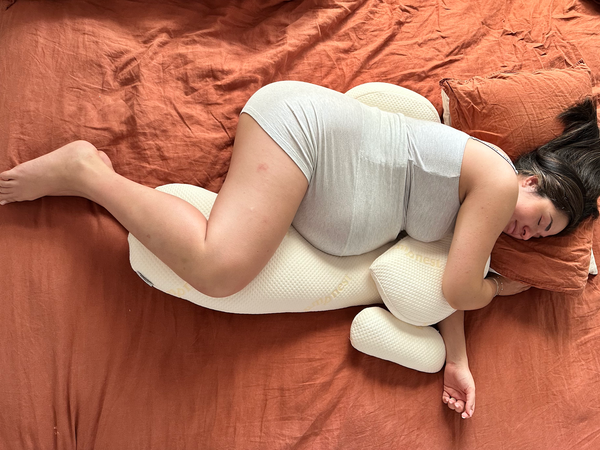
Rest and reposition. Many types of pregnancy cramping respond well to simply lying down and shifting position. Taking pressure off your lower back and abdomen often brings quick relief. Side lying with your bump supported and a pillow between your knees is one of the most comfortable positions for general pregnancy discomfort — it takes pressure off the round ligaments and reduces hip strain simultaneously.
Warm compress. A warm — not hot — compress applied to your lower abdomen can help relax the muscles and ease cramping. Avoid anything that raises your core body temperature significantly, particularly in the first trimester.
Gentle movement. Light walking, prenatal yoga, or gentle stretching can relieve the tension that contributes to cramping and help keep your digestion moving. Movement also helps with the gas and bloating that's so common in pregnancy. If you're in discomfort, the last thing you might feel like doing is moving — but even a short walk often helps.
Stay hydrated. Dehydration can trigger Braxton Hicks and worsen constipation cramping. Aim for around 8 to 10 glasses of water daily and more if you're active or the weather is warm.
Support your body properly at rest. A lot of pregnancy discomfort is exacerbated by poor positioning during sleep and rest. Keeping your bump supported and your hips aligned reduces the strain on the ligaments and muscles that are already working hard. If you're waking from discomfort overnight, it's worth looking at your sleep setup before assuming the cramping is unavoidable.
Frequently asked questions
 Wellness
Pregnancy Pillow for Hip Pain: A Buyer's Guide
Waking up every hour with hip pain is one of the most disruptive pregnancy sleep experiences. The...
Read article → Wellness
Pregnancy Skin Changes: What to Expect and What's Normal
The linea nigra, melasma, stretch marks, acne, and itching — pregnancy skin changes are almost un...
Read article →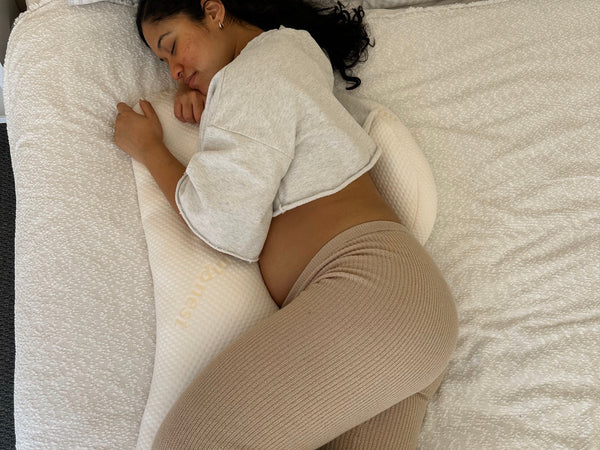 Wellness
Pregnancy Pillow for Back Pain: What Actually Works
Pregnancy back pain at night is one of the most common sleep disruptors from the second trimester...
Read article →